
One day, my father gave me a surprise. He showed me a small device and told me that we could see many different organisms that are invisible to our naked eyes. It was a very small device that I could hold in my palm. He told me that he had purchased it from Amazon. The device was called the Carson MicroFlip 100x-250x LED Lighted Pocket Microscope.
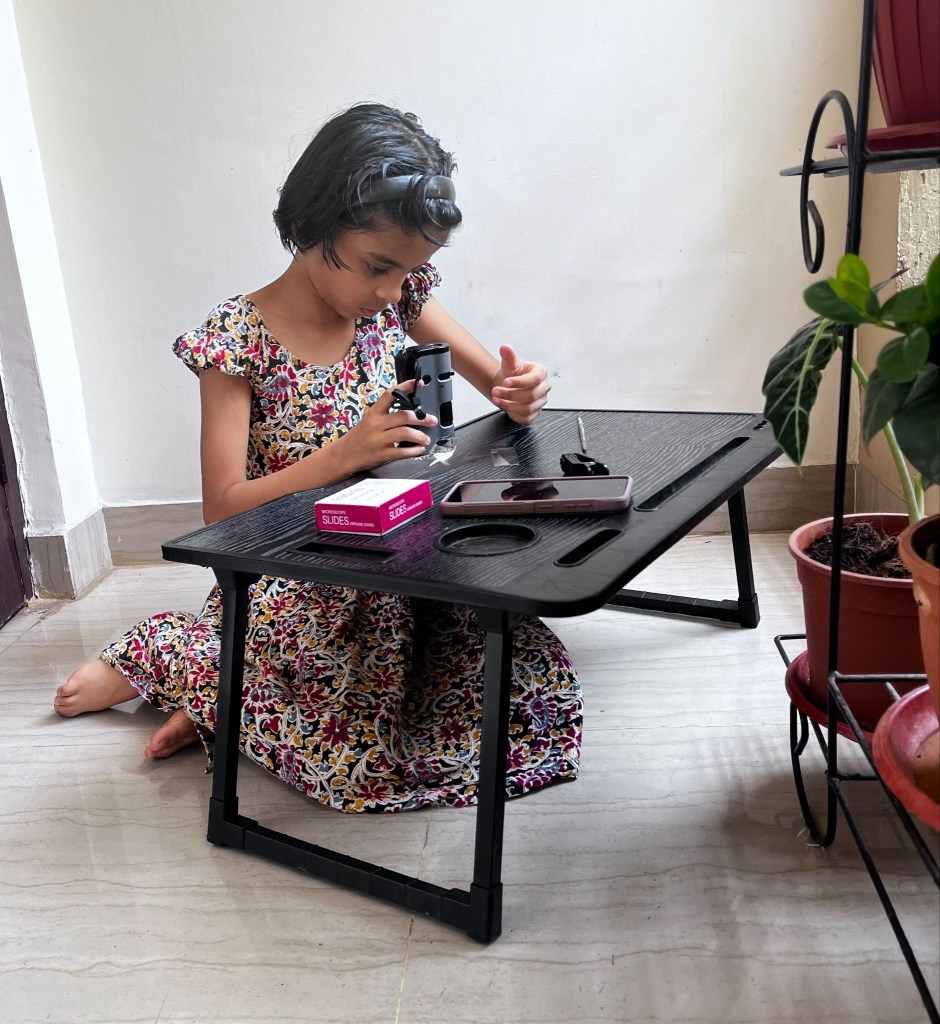
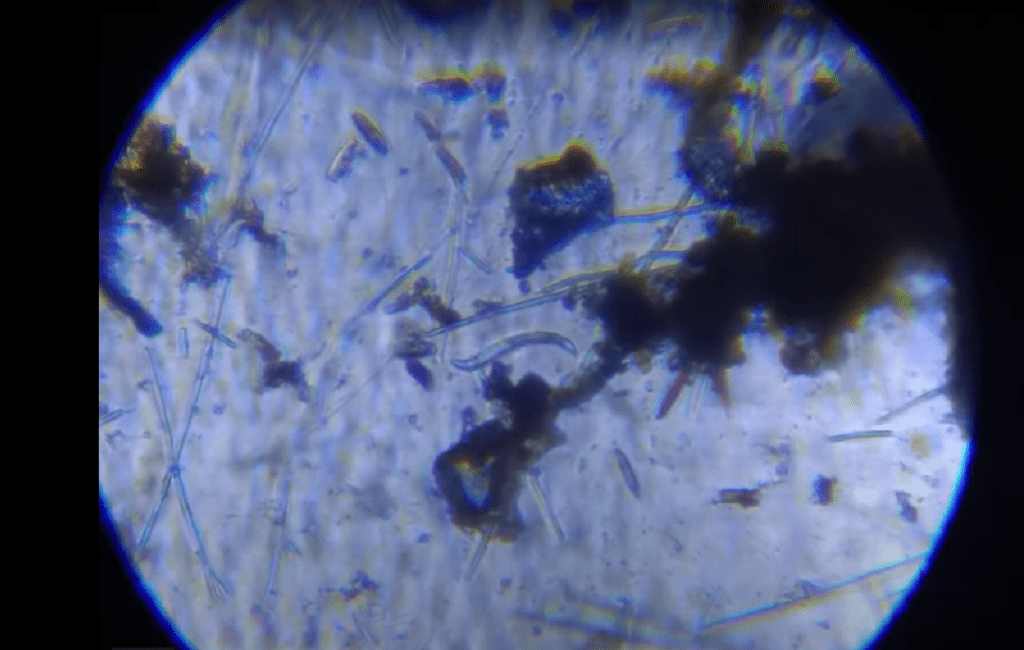
My father went to the balcony and collected a pinhead-sized amount of soil from a flower pot and added it to a drop of water. He mixed it gently with a brush and then took a small stroke of the mixture onto a cover slip. He inverted the cover slip onto a glass slide and placed it under the microscope. He turned on the microscope and connected his smartphone to it. Now we could see the magnified image directly on the phone screen. We could even take pictures and record videos using the phone. I was amazed to see different kinds of organisms moving here and there in that tiny drop of water—organisms that we could never see with our naked eyes. Some were sliding, while others were gliding. We called our mother, and she also looked at them. She said, “That is why we should never touch dirty water.”
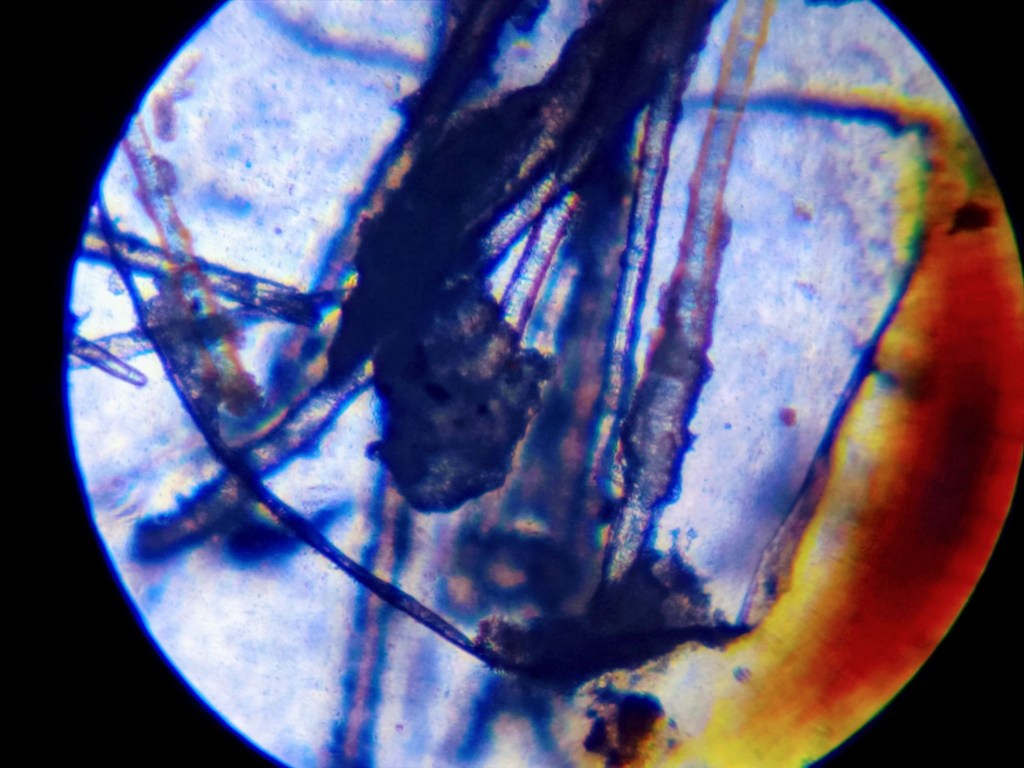
Then my father pulled a few hairs from his head and placed them on a glass slide under the microscope. We were very curious to see how hair looked under magnification. Under the microscope, the hairs looked like huge pipes, and the base of the hair, called the hair follicle, looked like the base of a coconut tree. Overall, it felt as if I was looking at bamboo trees growing out from a bush.
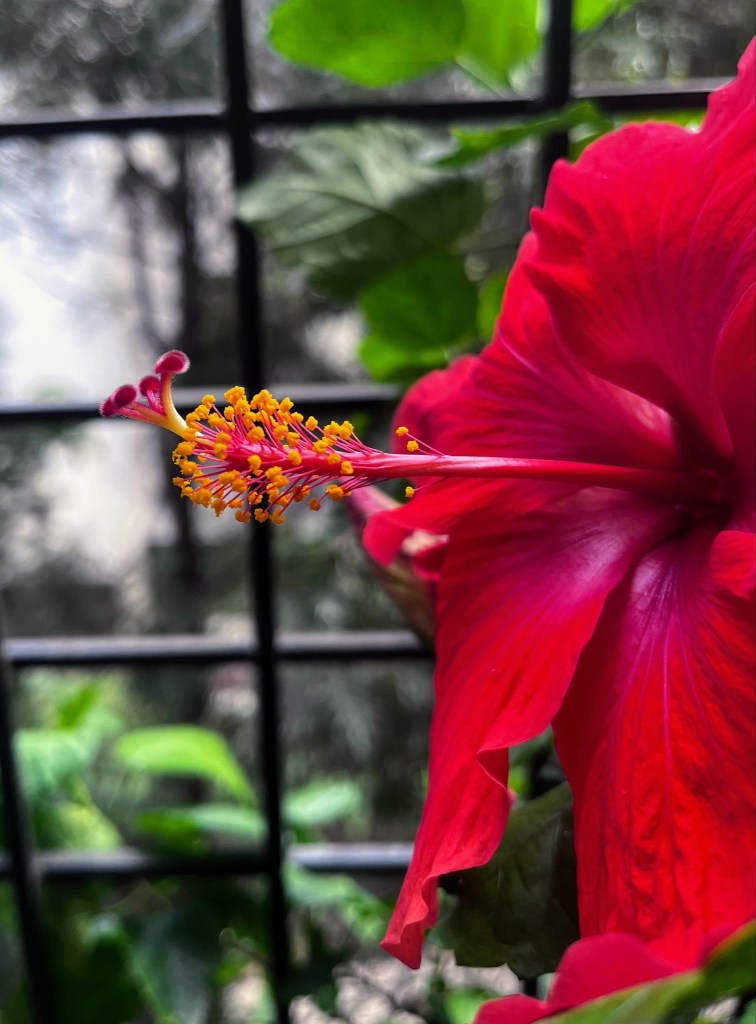
Next, my father brought a hibiscus flower and wanted to show me how pollen grains looked under the microscope. He gently dusted the pollen grains—the tiny yellow grain-like structures at the tip of the flower—onto the glass slide using a brush. OMG! What I saw under the microscope looked like deadly viruses shown in toothpaste advertisements. My father explained that pollen grains have many different structures and that they vary from plant to plant. He said that the spike-like structures on this pollen help it attach to the stigma, which helps in pollination.
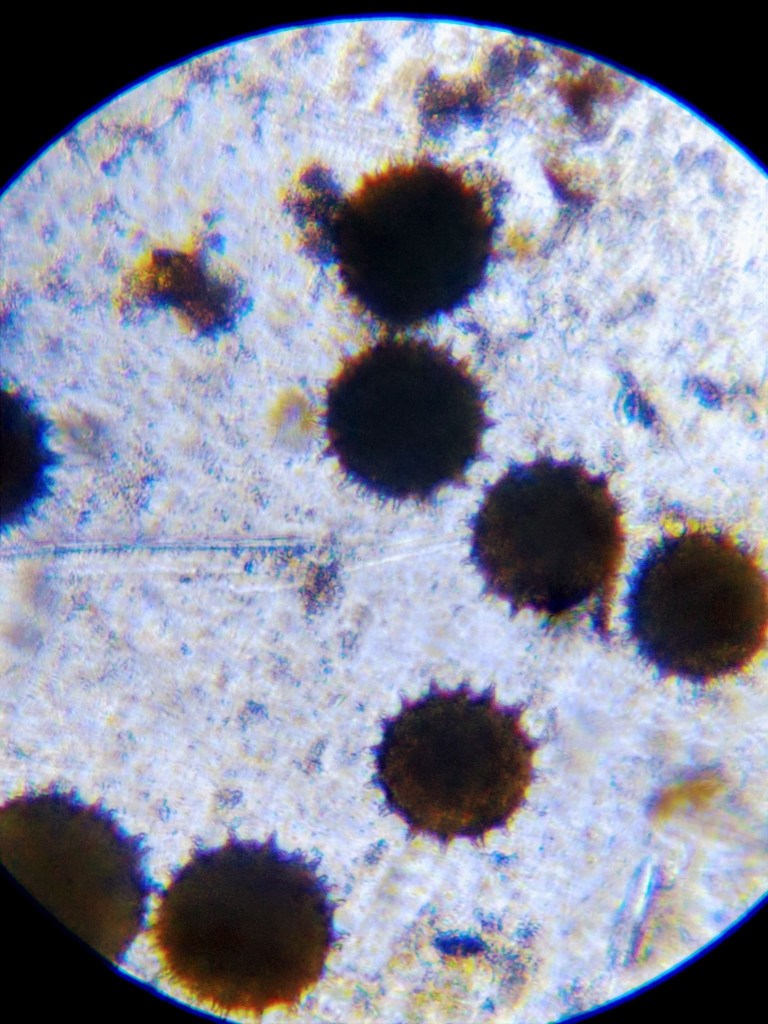
I really enjoyed exploring a completely different world through the microscope. There are so many organisms around us that we cannot see with our eyes. Many things that look very simple to us are actually far more complex and beautiful when viewed under a microscope. It made me realize that there is an entire hidden world all around us waiting to be discovered.

